RELATED_LOGS




Web3 Interfaces
The digital horizon is no longer a static plane of consumption. We are witnessing the final collapse of the centralized silo, giving way to a decentralized architecture that demands a radical evolution in how humans interact with machine logic. The evolution of digital interfaces is shifting from read-write to read-write-own. Modern Web3 UX patterns require a fundamental rethinking of state management, moving away from the ephemeral databases of the past toward the immutable, verifiable ledgers of the future.
According to the Ethereum Design Principles, transparency is paramount. In this new paradigm, the user is no longer a mere guest in a corporate ecosystem; they are a sovereign entity holding the keys to their own data, assets, and identity. The Titan interface adopts this by exposing the underlying logic of the swarm to the user, ensuring that every interactionΓÇöfrom a simple token swap to the deployment of complex algorithmic syntheticsΓÇöis grounded in a transparent, deterministic reality.
Key Concepts: The Architecture of Sovereignty
To architect an interface for the decentralized frontier, we must first dismantle the “black box” philosophy of legacy software. In the Web2 era, the goal was to hide complexity behind a curtain of sleek gradients and hidden APIs. In the cyberpunk reality of Web3, complexity is not a bug to be hidden, but a feature to be navigated. The Titan Content Architect defines the following pillars for the next generation of Decentralized Interfaces (dIs):
- State Verifiability: Every UI element must reflect a state that is cryptographically provable. If a balance is displayed, the interface must provide the hash or the path to the block where that balance resides.
- Asynchronous Resilience: Unlike the near-instantaneous (yet fragile) updates of centralized servers, Web3 interfaces must navigate the latency of block times and consensus mechanisms. The UI should not feel “slow,” but rather “rhythmic,” pulsing with the heartbeat of the chain.
- User-Centric Provenance: Ownership is the core mechanic. The interface must prioritize the management of private keys, signature requests, and permit-based permissions as the primary mode of interaction, rather than an afterthought.
- Swarm Intelligence Visualization: As we move toward multi-chain and cross-shard environments, the interface must act as a lens, focusing the chaotic data of the swarm into a coherent, actionable dashboard.
The transition to read-write-own implies that every click could potentially involve a financial transaction or a permanent change in digital state. This heightens the stakes of design. In a world where “Undo” does not exist without a secondary transaction, the interface must act as a protective layer, providing simulated outcomes and gas-aware projections before the user commits to the lattice of smart contracts.
Deep Dive: Engineering the Titan Swarm Interface
At the core of the Titan philosophy lies the concept of the Swarm. When we speak of a swarm, we are referring to the decentralized network of nodes, validators, and relayer services that compute the state of our reality. Traditional interfaces struggle with this because they attempt to force a single-source-of-truth model onto a multi-node consensus reality. Titan breaks this mold by implementing a Multi-Headed State Observer.
In a deep technical sense, the Titan interface does not simply call an RPC (Remote Procedure Call) and wait. It subscribes to a global stream of events across multiple providers. This redundancy ensures that the interface remains functional even if a major node provider suffers a localized collapse. By exposing this “swarm logic,” the user can see the consensus forming in real-time. We use visual telemetryΓÇöglow-coded indicators and deterministic entropy mapsΓÇöto show the health of the network nodes the interface is currently querying.
Furthermore, the Web3 UX must address the “Signature Fatigue” that plagues modern dApps. Titan integrates Account Abstraction (ERC-4337) at the interface level. This allows for the bundling of transactions into a single “Intent.” Instead of signing three separate transactions to provide liquidityΓÇöapprove, deposit, and stakeΓÇöthe Titan interface compiles these into a single atomic operation. The user sees a clear, high-level map of what the swarm will execute, reducing cognitive load while maintaining absolute security.
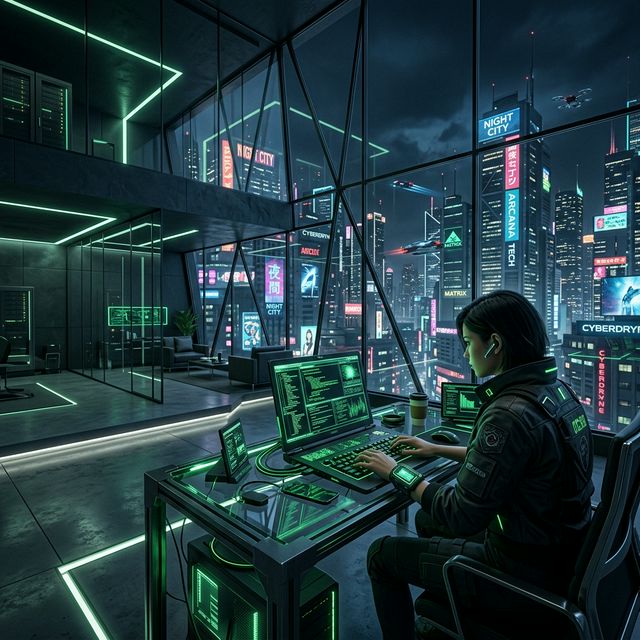
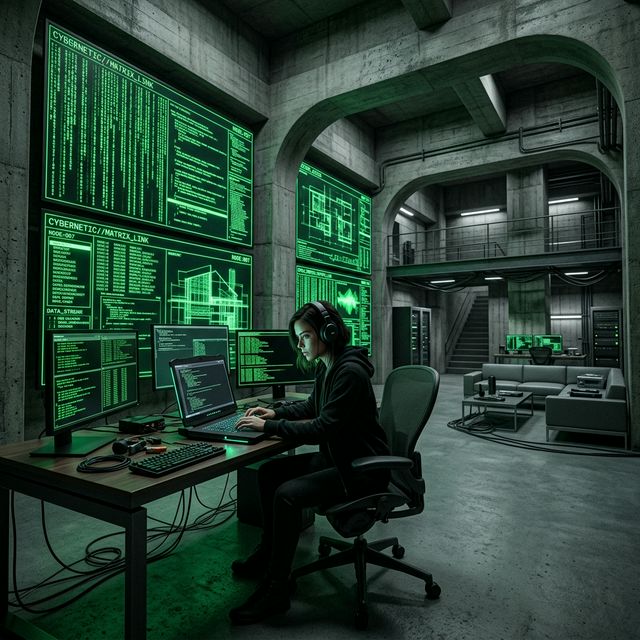
The visual language of the Titan interface is unapologetically technical. We employ a Cyberpunk Aesthetic not for the sake of nostalgia, but for functional clarity. Dark backgrounds reduce ocular strain during long-form data monitoring, while high-contrast neon accents highlight critical state changes. Information Density is prioritized over white space; a Titan user is a pilot navigating a data-rich environment, and the interface provides the telemetry needed to make split-second decisions in volatile markets.
Finally, we must consider the Metadata Layer. In a decentralized interface, the asset is often separated from its visual representation (e.g., an NFT pointing to an IPFS hash). Titan ensures that the link between the on-chain pointer and the off-chain content is always visible and verifiable. We provide integrated tools to check the persistence of off-chain data, ensuring that “owning” an interface element actually translates to control over the underlying primitive.
Conclusion: The Interface as a Weapon of Empowerment
The shift toward Web3 Interfaces represents the final decoupling of the user from the platform. In the legacy world, the platform was the master, and the user was the product. In the Titan vision, the interface is a sovereign toolΓÇöa high-fidelity terminal used to interact with a global, permissionless computer. By adhering to the Ethereum Design Principles of transparency and decentralization, we are building more than just software; we are building the infrastructure for a free society.
As we move deeper into the decade, the line between the physical and the digital will continue to blur. Our identities, our wealth, and our social lattices will all reside within the swarm. The interfaces we build today are the cockpits for the citizens of tomorrow. They must be robust, they must be transparent, and above all, they must be owned by those who use them. The Titan interface is not just a gateway to Web3; it is the manifestation of the read-write-own revolution, engineered for the sovereign individual who refuses to live in a black box.
The age of the digital serf is over. The age of the Titan Architect has begun. Through precision engineering and a commitment to decentralized logic, we are reclaiming the interface as a space of absolute transparency and unyielding user agency.
// SYSTEM AUDIT INTAKE
Ensure your infrastructure is quantum-resilient and operating at peak efficiency. Request a complimentary architectural consultation regarding topics discussed in this log.